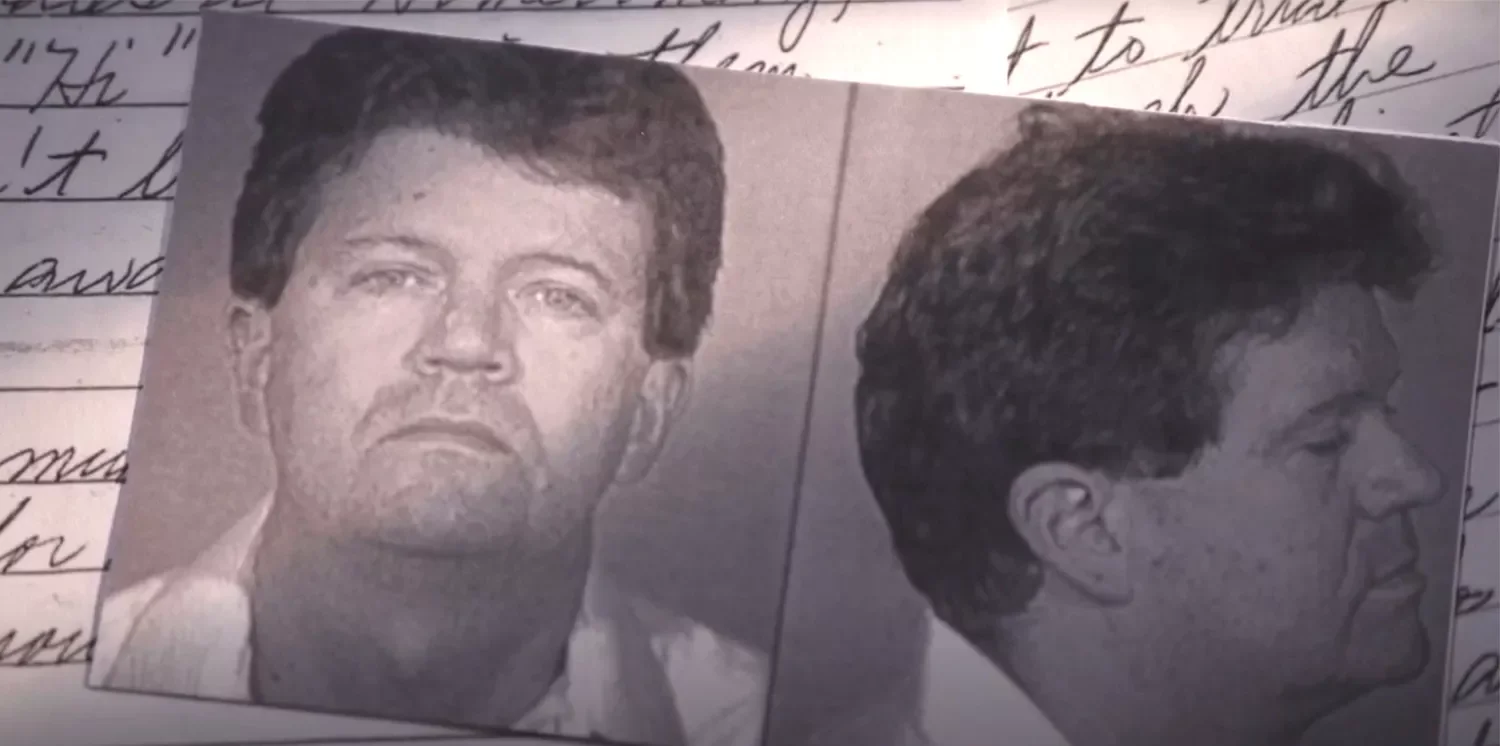
The Last Call Killer
The last call killer was an american serial killer who between the years 1991 and 1993 lured and killed 4 gay and bisexual men from Manhatten piano bars. these men were dismemebered, put in bags, and left in trash cans along highways in New york, New jersey, and Pennsylvania. In 2001, Richard Rogers was arrested via the use of fingerprints which were discovered and identified on the trash bags used for disposal. Rogers was convicted for 2 of the murders, but suspected of all 4. Rogers was also tried and found not guilty of another murder in 1973.
Victims (suspected, confirmed, and found not guilty)
SUSPECTED
FOUND NOT GUILTY
CONFIRMED
Peter Stickney Anderson
MAY 1991
Matthew John Pierro
Michael J. Sakara
Frederic Spencer
APRIL 1982
1986
Thomas Richard Mulcahy
JULY 1992
Jack Franklin Andrews
Anthony Edward Marrero
MAY 1993
JULY 1993
APRIL 1973
1950 - 1970
June 16 1950 - Richard Roger is born in Plymouth, Massachusetts.
Late 1960’s - Roger’s allegedly used a knife from home to stab an elderly neighbor, which led to him being briefly institutionalized
April 28 1973 - Roger’s murders Frederic Spencer, his roommate, in Orono, Maine. After Spencer’s murder, Roger’s disposed of his body in Bird Stream Forest.
May 1 1973 - Frederic’s body is discovered by cyclists and identified by the police. When the police showed up at the shared townhouse, Roger’s confessed to the murder but claimed it was in self-defense. He was charged and held for six months before his trial.
apr/may 1970
Oct/nov 1973
October 29 1973 - Frederic’s murder trial begins
November 2 1973 - the jury finds Roger’s not guilty.
April 10 1982 - Matthew Pierro is found dead off a dirt road near Interstate 4 in Lake Mary, Florida. He was last seen leaving a gay bar in Orlando, Florida. Roger’s is the prime suspect in his murder.
apr 1982
1986

1986 - Jack Andrew’s dismembered body was discovered in trash bags and blankets at a rest stop along Route 8 in Litchfield, Connecticut. Roger’s is a suspect in the murder; however, not the prime suspect.
July 11 1988 - Roger’s allegedly assaults a man he met at a bar in Manhattan, and the man reports the incident to the police.
August 1988 - Roger’s is arrested for the assault
December 1988 - Roger’s is acquitted in a nonjury trial
jul/dec 1988
may 1991
May 5 1991 - Roger’s murders his first known victim, Peter Anderson. Anderson was last seen alive at a bar called the Townhouse Bar.
May 6 1991 - Anderson's body is found dismembered and scattered in trash bags along the Pennsylvania turnpike, in Pennsylvania.
July 8 1992 - Roger’s murders his next victim, Thomas Mulcahy. His last known whereabouts were traced to the townhouse bar via credit card transactions.
July 10 1992 - Mulcahy's dismembered body is partially found in trash bags along Route 72 in Woodland Township, New Jersey.
july 1992
may 1993
May 1993 - Roger’s murders his third known victim, Anthony Marrero. Marrero was a gay sex worker in Manhattan. He was last seen around the Port Authority Bus Terminal in Manhattan.
May 10 1993 - Marrero’s dismembered remains are found off of a road in Manchester Township, New Jersey.
July 30 1993 - Roger’s murders his last known victim, Michael Sakara. Sakara was last seen alive on July 30th at Five Oaks Bar in Greenwich Village. He was seen drinking and conversing with a man who claimed to be a nurse at St. Vincent’s Hospital.
July 31 1993 - Sakaras ' clothing and wallet in a suitcase at Haverstraw Bay lookout. Later that day, Sakara's head and arms were discovered inside a trash can.
August 8 1993 - the rest of Sakara's remains are discovered in Stony Point, New York.
july/aug 1993
may 2001
May 28 2001 - Roger’s is approached by police at his job, lying about a false crime to get Roger’s into questioning. They then began questioning about the murders, to which Roger admitted to knowing Michael Sakara and requested a lawyer.
October 26 2005 - Roger’s trial begins.
November 2005 - Roger’s is found guilty on all charges brought against him. He is currently serving two consecutive life sentences in Trenton, New Jersey.
oct/nov 2005
The Impact of the Last call killings both at the time and in modern day
During this era, the NYPD didn’t take many crimes commited against the Queer community seriously, especially as many went unreported or ignored. as the documentry released in 2023 says in episode 2, the police mishandled many of the queer violence cases that they came across due to predajuce and homophobia towards the LGBTQ+ at the time. In fact, the police proved to be more harm than help when it came to reporting crimes. Neglect and violence from the police themselves proved to create fear around reporting due to the very high chance of them being disregarded. When the first murders began, the AVP (Anti-Violence Project) put quite a bit of pressure on the NYPD to investigate further, as they had more resources than any of the other state police involved in the case. While the impact of these cases may not have broken outside of NYC until after the documentary in 2023, both the loved ones of those lost and the producers/directors of the documentary believe this will allow their stories to have a larger outreach to bring awareness to both what happened as well as the ongoing violence against the queer community. The media portrayal of these men, the way the NYPD disregarded their deaths until pushback, and how they were treated in life serve to prove how devastating the prejudice against Queer people can be, not only in life, but also in death.